On average, and I know everyone is different, how long does a high-fiber food stay in your system before making the exit. I've been trying to eat foods with higher fiber content, such as beans, broccoli, etc. I woke up the other morning and I've gained 3 pounds! I had eaten some bean soup the afternoon before. It's been 3 days now and I still feel bloated. Will my system get used to this and eventually the numbers on the scale will go back down?
Best answer:
One thing you have to remember when you increase your fiber intake is to drink lots of water, otherwise your system can plug up.
www.diet-and-exercise-for-health.com/constipation.html
Good luck!
Give your answer to this question below!
Weight Watchers NEW 2011 Points Plus Electronic Food Scale Kitchen
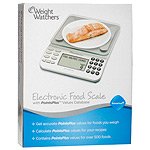
Electronic Food Scale
The Weight Watchers Electronic Food Scale is a great addition to your kitchen counter. It will accurately weigh your foods and calculate the PointsPlusTM values when you enter carbohydrates, protein, fat and fiber...and there is a database of over 500 foods and their PointsPlus values already stored in the scale! Best of all, you can calculate and then store your own favorite foods and recipes.

List Price: $ 59.99
Price: $ 59.99
Womens Workout Advice - Weight Watchers
Article by Personal Trainer Oklahoma
QUESTION: I oftentimes run into customers who are willing to workout with me and who want to perform Weight Watchers because it has worked for them before. I know very little about Weight Watchers except that the members regularly weigh in (encouraging the use of the scale as THE measurement of success) and they use some sort of point system of rules within which it appears the member can eat ANYTHING, including sugar. As a result, I never know how to answer. Can you clarify the Weight Watchers applied science for me; i.e., on what are the points based, how do they account for appropriate amounts of carbs, protein, fat, etc.
ANSWER: Weight Watchers may very well have been the first effectively commercialized diet programs aimed at the masses. The popularity of Weight Watchers about 40 years ago really familiarized most Americans to a word they never knew, and most still don t understand. The calorie. The reason it received such high public acclaim, aside from the number of pounds lost without drastic deprivation as in previous diets, is because Weight Watchers presents the assumption of a life style change.
Weight Watchers founder, Jean Nidetch, came up with the concept back in 1963. She began instituting its principles from her Brooklyn based home. The focus was to develop a sensible eating plan that emphasized scaling back on calories while sustaining a livable standard that could be incorporated into everyday life. One flaw that the plan forgot to address, however, was how calories from different sources, sugar, fat, protein, etc affected the body. She also did not take into account the "thermic affect" of supportive eating.
The company has modified its recommendations since it first started over 40 nyears ago. While lifestyle change information is still distributed by the organization, the overall effectiveness of calorie limitation is still unchanged. The plan has worked in the past, however, it wasn't a good long term solution so the company is currently seeking out new solutions.
A concept recreated by Richard Simmons, weight watchers developed an exchange scheme whereby an allotment of various foods were portion controlled which would limit the amount of calories consumed while still allowing people to enjoy all of their favorite foods (although limited). You could eat a certain amount of bread, fruit, etc as long as you didn't take in more than you were alloted by the plan.Later, once profits rose, Weight Watchers began offering their own foods, which further inflated profits since customers could now also have the foods they wanted directly from the company as well as the support scheme. The exchange scheme is now based upon a point scheme where everyday foods are assigned a number of points based on its fat, fiber, protein content. There are various categories so there is most likely a point scheme that will appeal to most everyone to follow.
In theory this scheme is great, however its still a calorie cutting scheme. Metabolic slowdown is still something that will happen if you're famishing yourself in the long run.
Of course, what they fail to answer is why, if their diet is so booming, so many people return to Weight Watchers. I've attended Weight Watchers group meetings. They're almost ridiculous. 14 or 15 women sit around in a room, lending each other support, and some make the travel to... the scale! They take off their jewelry, take off their shoes, peel off a sweater, and breathe out, and then they step up. A facilitator studies the measurement, refers to a chart, and announces, Mary lost 1.25 pounds and the room erupts in applause. Interestingly, nobody is there for the first time. They've all come back after regaining the weight. Weight Watchers, although they can document substantial pounds being dropped, maintains the same abysmal failure rate as the other commercialized diet programs.
As a final note, Weight Watchers presently sees about 600,000 people per week!
They also address the theory that people put on weight because they overeat, and they overeat because they feel as if the foods offer reward. In that vain, they advise you find other ways to reward yourself. These include renting comedy videos, getting coffee with a friend, singing, or taking a bath. Let's get real. If you're hungering for cheesecake, you can sit in the tub with the TV blaring a comedy video while you drink coffee and you're still wanting that cheesecake!
If something good is to be said for any diet, Weight Watchers is one that I can really find some kind words for. I don't believe their entry into the marketplace was founded upon a misleadingeffort to collect money from weight loss hopefuls without delivering value. While the diet is flawed, I believe it s developers and operators believe they are involved in an ethical and beneficial pursuit.
Weight Watcher's new marketing attempts to maintain long term customer conformity includes psychological tactics such as getting the customer to think of food in terms of nutritional and economical value. An example would be: If you're tempted to get seconds at a buffet just because its included.....try and think ahead to the foreseeable trips to the doctors, bad health ratings and low self-esteem that results from unhealthy diets. I recognize the well intended message, however I don't think the majority of people will like the idea that they should stop thinking of their food as enjoyment. In our society every social event is centered around food. I believe that it's far better and more conducive to Instruct people to live a more healthy lifestyle through workout and healthier choices of eating. Instruct them that they can accelerate their metabolism and even enjoy the occassional unsupportive food without worrying about unhealthy consequences.
Although Weight Watchers has a vast appeal and supportive data to legitimize their promise - "Stick with your daily points and you will lose weight" its still based on a diet plan premised on deprivation. This sort of diet does reduce caloric intake, however very few people will stick with a plan that doesn't allow them to fulfill their sweet tooth every once in a while. This is where the familiar self-blame guilt kicks in for most folks. People think due their lack if willpower, which is a misconception, they can't possibly succeed even though the plan was said to be "easy." Their self-worth goes right down the drain. They're weight...however shoots back up with a vengeance.
Orignal From: I have a lot of weight to lose and I've just started Weight Watchers. I have a question regarding fiber/beans.

No comments:
Post a Comment