I'm 17 ,and I weigh about 65Kg/143 pounds ,I am tall and lean,what protein should I use to gain muscle mass ?
I have a very fast metabolism and can eat any type food without concern that I might gain weight
Best answer:
i like muscle milk and use that.
What do you think? Answer below!
Optimum Nutrition 100% Whey Gold Standard, Delicious Strawberry, 5-Pound
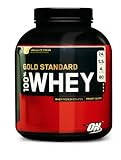
- Serving Size - 1 scoop
- Does Not Contain: Wheat, Soy, Peanuts, Fish, Tree Nuts, Eggs and Shellfish
With Faster-Acting HydroWhey®
Whey Protein Isolates as the primary Protein Source
3 Grams of Carbohydrates
Lactase and Other Digestive Enzymes
24 Grams of Protein Per Serving
Millions and Millions of Satisfied Customers Can't Be Wrong!
Since the very beginning, Optimum Nutrition has raised the standard by which all other whey protein supplements are judged. Now we're raising the bar again with the 3rd generation of ON 100% Whey Protein: ON 100% Whey Gold Standard
Like it

List Price: $ 54.40
Price: $ 44.99
The Glycemic Index Food Chart: Are You Getting Enough Protein?
Article by Christian Sumers
If you're just getting started or simply doing your own research on the best diet solution to lose unwelcome fat that just seems to loiter year-in-year out, despite your best efforts; or perhaps you're in search for a lifestyle change to how you eat, then let me share with you a bit of advice and a few tips on the glycemic food index diet in relation to protein.
I'm going to assume for the purpose of this article that you are somewhat familiar with the glycmeic index (GI) and how it ranks foods (the carb content) according to how quickly the carbohydrate is absorbed into the bloodstream. Basically, the quicker that absorption the higher the GI value attached to that food on the glycemic index, which basically can be construed as detrimental to health. I'm not proposing to explain here how to interpret the GI Chart beyond this as there are plenty of resources online where you get to the basics on GI food. Alternatively visit my website which is dedicated to this subject matter.
The subject matter of today's discussion is whether following the Glycemic index to eating provides the body with sufficient levels of protein?
Protein as you may be aware is the main source of nourishment for building and repairing new cells, hormones, antibodies, enzymes and muscle tissue. As you would expect it is especially important to those who are very active such as athletes and bodybuilders, but also to pregnant and breast feeding mums.
Its very easy to misinterpret the glycemic food index chart as being principally focused on vegetarian food since most charts simply provide information on vegetables, legumes, nuts, etc. Yet this can't be further from the truth.
Meat is frequently not found on glycemic food charts simply because they have minimal carbohydrate content and the Glycemic index was devised to chart the effect of foods that are high in carbohydrate and which therefore have a direct effect on blood sugar levels and hormone insulin.
Yet the concern about whether many diets have sufficient levels of protein is very much down to Western cultures' obsession with protein and meat. Look at any restaurant's menu and you'll invariably find the focus is on a large serving of meat with an accompaniment. Don't get me wrong protein is important but there seems to be too much concern and misunderstanding about non meat diets.
However, if you're dieting or have high blood pressure you may want to cut down on cholesterol and saturated fats which can be quite high in many meats. The key here is to stick to lean meats. But if you're looking to cut down on the amount of meat you eat or exclude it from your diet entirely, then read on as I address this below.
Fish, especially oily fish is an important food option for many on a low GI diet. So lets address the protein requirements of someone who's body demands a healthy quantity of protein perhaps because they are physically very active or as mentioned above, they're an expectant mum or perhaps recuperating from an illness or injury.
The Recommended Daily Amount (RDA) of protein for your average person is approximately about 45 grams for woman that weighs 120 pounds and 55 grams for a man that weighs 150 pounds.
For athletes and body builders the requirement for protein is naturally much higher than the RDA figures. For someone who does a lot of endurance workouts quantities of around 71 grams for a woman weighing 120 pounds and 88 grams for a man weighing 150 pounds. Body builders and strength athletes demand more protein and there are some experts that suggest the protein amount could be double again to the amount of needed for endurance athletes.
The protein demands for a healthy expectant mum is around 1.1 grams per kilogram of body weight. So for a woman weighing 120 pounds the amount of protein recommended is around 60 grams.
If you are planning or are currently on a non meat diet its important that you consume proteins that have the 9 essential amino acids. Amino acids is the composition of protein. The 9 essential amino acids are isolucine, leucine, lysine, threonine, tryptophan, methionine, histidine, valine, and phenyalanine. They are considered the essential amino acids out of the 22 amino acids that make up a complete protein, because these are the only amino acids that the body cannot manufacturer by itself and so needs to be consumed in the food we eat.
Here are some great sources of protein. Nuts and seeds such as Almonds, brazil nuts and the common peanut. Legumes such as Aduki, Cannellini, Chick Peas, Kidney Beans, Lentils and Soybeans. Grains such as Oat bran, hulled millet, wild rice, triticale and couscous. And soy products such as Tofu, Tempeh and Textured vegetable protein.
Orignal From: What is the difference between weigh protein and pure protein ?

No comments:
Post a Comment